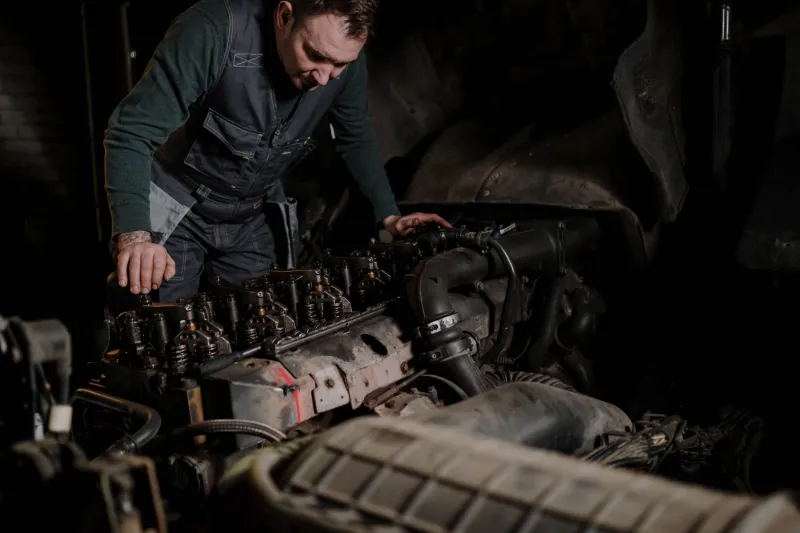
Diesel or Gas? Cutting Through the Noise on America's Biggest Truck Powertrain Debate

Walk into any truck stop diner from Flagstaff to Fargo and you'll find strong opinions on this subject. Diesel guys swear by torque and longevity. Gas guys point to lower upfront costs and simpler maintenance. And somewhere in the middle, the actual answer depends heavily on what you're doing with your truck every single day.
In 2024, the conversation has gotten more nuanced than ever. Diesel technology has made real strides in emissions and efficiency. Gas engines — particularly in half-ton and three-quarter-ton trucks — have gotten seriously capable. And fuel prices, which once made diesel a clear winner on operating costs, have been all over the map.
So let's break it down without the tribal loyalty and just talk numbers, use cases, and real-world practicality.
The State of Diesel in 2024
Diesel isn't going anywhere — at least not anytime soon. For Class 6, 7, and 8 commercial trucks, diesel remains the dominant powertrain by a wide margin, and that's not changing. The infrastructure, the parts supply chain, and the engineering know-how are all built around diesel at the commercial level.
For pickup trucks, the picture is more interesting. Manufacturers have continued refining their diesel offerings — Ford's Power Stroke, GM's Duramax, Ram's Cummins — and these engines are genuinely impressive in terms of towing capacity, fuel efficiency under load, and long-term durability.
Modern diesel trucks have also largely shed the reputation for being smoky, loud, and hard to start in cold weather. Advances in common-rail injection, DEF systems, and turbocharger technology have made today's diesel pickups cleaner and smoother than anything from 20 years ago.
Where diesel shines:
- Heavy towing (above 10,000 lbs consistently)
- High annual mileage (60,000+ miles per year)
- Long highway hauls where fuel efficiency under load matters
- Applications requiring sustained power output over long durations
The Case for Gas in 2024
Gasoline-powered trucks have made up serious ground over the past decade. The 6.2L V8 in GM's half-tons, Ford's 7.3L Godzilla, and Ram's HEMI options are no longer consolation prizes for buyers who couldn't afford the diesel option. They're legitimate work trucks.
The upfront cost advantage for gas trucks is real and significant. Depending on the make and model, choosing a gas engine over diesel can save you anywhere from $8,000 to $12,000 at the point of sale. For small business owners and independent contractors who are watching cash flow closely, that's not a trivial difference.
Maintenance is another area where gas engines hold an edge. No diesel exhaust fluid (DEF) to monitor, no diesel particulate filter (DPF) to worry about regenerating, no injector cleaning cycles to think about. For guys who aren't mechanically inclined or who don't want to spend time on complex system maintenance, gas is simpler.
Where gas makes sense:
- Light to moderate towing (under 10,000 lbs)
- Mixed use — work during the week, family hauler on weekends
- Lower annual mileage (under 30,000 miles per year)
- Urban and suburban driving with frequent stop-and-go
- Buyers prioritizing lower purchase price and simpler maintenance
Total Cost of Ownership: Running the Numbers
This is where the rubber meets the road — literally. The powertrain debate isn't just about sticker price or what's under the hood. It's about what you'll spend over five or ten years of ownership.
Fuel costs: Diesel fuel has historically run 20-50 cents per gallon higher than regular gasoline, though this gap fluctuates. Diesel engines typically deliver better fuel economy under load, but the advantage shrinks in city driving. For a truck covering 80,000 miles per year under heavy load, the efficiency advantage of diesel can absolutely offset the higher fuel price. For a contractor doing 20,000 miles per year with occasional towing, the math often favors gas.
Maintenance costs: Diesel oil changes use more oil and specialized filters, making them more expensive per service. DEF fluid adds an ongoing consumable cost. DPF and EGR system maintenance can be significant if problems develop. On the flip side, diesel engines often go longer between major repairs and can accumulate mileage that would destroy a gas engine.
Resale value: Diesel trucks have traditionally commanded stronger resale values, particularly in the used market. A well-maintained diesel pickup with 150,000 miles often sells for considerably more than a comparable gas truck. This is a real factor in total cost calculations.
Repair costs: When something goes wrong with a diesel, it typically costs more to fix. Injector replacement, turbocharger work, and emissions system repairs are not cheap. Gas engine repairs are generally more straightforward and less expensive.
Accessories and Upgrades: What Works for Each Powertrain
Your powertrain choice also influences what kind of aftermarket support makes sense.
For diesel trucks, performance and efficiency upgrades are plentiful. Cold air intakes, upgraded exhaust systems, and programmer/tuner devices can meaningfully improve both power and fuel economy. Heavy-duty transmission coolers and upgraded fuel filters are smart preventative investments. If you're towing heavy, an exhaust brake or upgraded fifth wheel setup pays dividends.
For gas trucks, the focus tends to be on cooling system upgrades for towing applications, suspension improvements to handle payload, and practical accessories like toolboxes, bed liners, and hitch systems. A good weight distribution hitch setup is especially important for gas trucks towing near their rated capacity.
Both powertrains benefit from quality tonneau covers (which can improve fuel economy), upgraded lighting for work and safety, and reliable tire pressure monitoring — especially important when towing.
The Verdict: It Depends on Your Work
Here's the honest answer nobody loves: there's no universal winner. The right powertrain is the one that matches your actual use case.
If you're pulling heavy equipment five days a week, racking up serious miles on the highway, and planning to keep your truck for 300,000 miles — diesel is almost certainly your answer. The upfront cost is justified by long-term durability and efficiency under load.
If you're a contractor who needs a capable work truck for hauling materials and occasional trailer pulls, and you want something affordable and easy to maintain — a modern gas truck will serve you well and keep more money in your pocket upfront.
And if you're somewhere in the middle? Talk to people who do the same kind of work you do. The best data you'll find isn't in a spec sheet — it's from the guy who's been running the same application for five years and knows exactly what it's cost him.
At Acme Truck Shop, we stock parts, accessories, and equipment for both diesel and gas trucks — because we know both have a place in the American work fleet. Whatever's under your hood, we'll help you keep it running right.