The 200,000-Mile Club: Maintenance Moves That Keep Working Trucks on the Road for the Long Haul
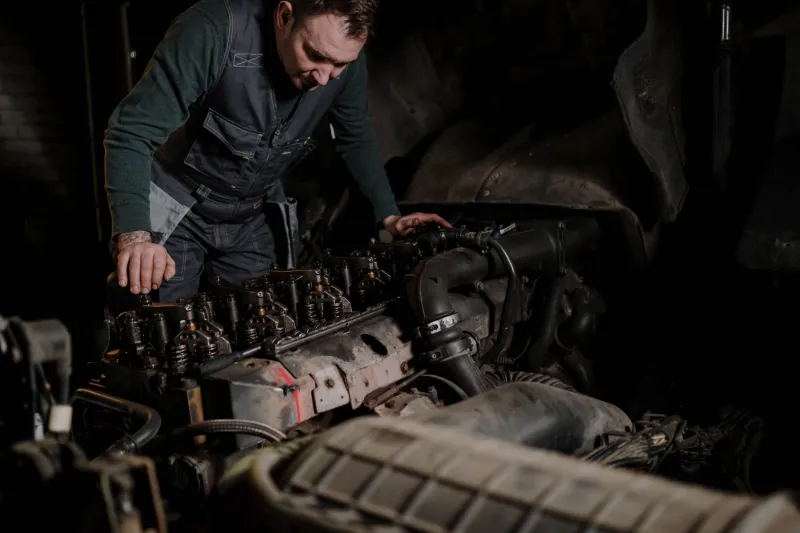
There's a truck out in Tulsa with 340,000 miles on the original engine. Its owner, a plumbing contractor named Dave, has driven it to every job site since 2009. It's not babied — it hauls pipe, backs into tight spaces, and sits outside in Oklahoma summers and winters. But Dave has never skipped an oil change, never ignored a warning light, and never cut corners on parts.
That truck is the rule, not the exception — if you treat it right.
The idea that high mileage is just a matter of luck or good genes in the engine block is a myth. The trucks that make it to 200,000, 300,000, even 400,000 miles share a common thread: deliberate, consistent preventative maintenance and quality replacement components when things wear out. It's not complicated, but it does require discipline.
Let's walk through the systems, parts, and habits that separate the trucks that last from the ones that don't.
Start With the Foundation: Engine Oil and Filtration
If there's one area where cutting corners guarantees a shorter truck life, it's lubrication. Engine oil is the lifeblood of your powertrain, and its job gets harder as miles accumulate.
For high-mileage trucks, the conversation around oil type matters. Conventional oil is fine for newer engines, but many experienced mechanics recommend switching to a quality full synthetic by 75,000-100,000 miles — if not sooner. Synthetics handle heat better, flow more readily in cold starts, and provide a more consistent protective film as tolerances in older engines begin to widen slightly.
Oil filter quality is equally important and equally underestimated. A cheap filter that collapses under pressure or fails to capture fine particles is doing your engine no favors. Spend a few extra dollars on a quality filter from a reputable brand every time.
Change intervals are a frequent debate. The old "every 3,000 miles" rule is outdated for modern synthetics, but don't stretch changes to the outer limit of the manufacturer's recommendation if your truck is working hard — towing, hauling, idling in traffic. Hard-working trucks need more frequent attention.
Cooling System: The Silent Killer
Overheating is one of the most destructive things that can happen to a truck engine, and cooling system neglect is one of the most common causes of premature engine failure. The frustrating part is that cooling system maintenance is cheap and simple — it just gets ignored.
Coolant breaks down over time. The additives that protect against corrosion and cavitation deplete, and old coolant can actually become acidic, attacking gaskets, water pump seals, and aluminum components from the inside. Follow the manufacturer's flush intervals, and don't just top off — actually drain and replace.
The water pump, thermostat, and radiator hoses are wear items. On a truck with 150,000+ miles, if you haven't replaced these components proactively, you're playing the odds. A burst hose or failed water pump on the side of the highway costs far more — in time and money — than replacing them preventatively in your driveway or a shop.
For trucks that tow or operate in hot climates, an upgraded or auxiliary transmission cooler is worth considering. Transmission heat is a major contributor to premature failure, and this is a relatively inexpensive upgrade with meaningful long-term payoff.
Fuel System Health
Diesel and gas trucks both benefit from clean fuel system maintenance, but diesel owners need to pay particularly close attention.
Fuel filters on diesel trucks should be changed religiously. Modern common-rail diesel systems operate at extremely high injection pressures, and contaminated fuel can damage injectors that cost thousands of dollars to replace. This is an area where the $20-30 filter replacement is the most obvious money-saving move in all of truck maintenance.
For gas trucks, throttle body cleaning, injector maintenance, and keeping up with spark plug and ignition coil replacement pays dividends in fuel economy and engine health. Misfires put stress on catalytic converters and can cause downstream damage if left unaddressed.
Fuel additives get mixed reviews, but quality diesel fuel treatments that contain lubricity additives and water separators have genuine support in the commercial trucking world. For trucks seeing winter use, anti-gel additives are a practical necessity in northern climates.
Drivetrain and Chassis: The Parts That Take a Beating
Engine longevity is only part of the equation. A truck that can't transfer power to the ground — or that shakes itself apart from worn chassis components — isn't going to stay on the road regardless of how good the engine is.
U-joints and driveshaft components are wear items that get overlooked until they fail dramatically. Inspect them during every oil change and replace at the first sign of wear or play. On trucks with grease fittings, actually grease them — a task that takes minutes and extends component life significantly.
Wheel bearings are another item that often gets ignored until there's an obvious noise or vibration. Catching a failing bearing early is a simple repair. Letting it go can damage hubs, rotors, and ABS sensors.
Suspension components — ball joints, tie rod ends, control arm bushings — deteriorate gradually, making the decline easy to miss. A worn front suspension doesn't just affect ride quality; it accelerates tire wear and can compromise steering precision and safety. Have a shop inspect these components periodically, especially if you're running the truck hard or hauling heavy loads regularly.
Brakes: Safety and Longevity Together
Brake maintenance is non-negotiable from a safety standpoint, but it also connects directly to long-term truck health. Worn brake pads that go too long can score rotors, turning a simple pad swap into a more expensive rotor replacement. Sticking calipers generate heat that accelerates wear across the entire brake system.
For trucks used for towing, brake system health is even more critical. Upgrading to performance-grade brake pads designed for heavier loads is a smart move that improves both safety margins and component longevity.
The Habits That Make the Difference
Beyond specific parts, the truckers who rack up monster mileage share some common operational habits:
Warm up, cool down. Especially for diesel trucks, letting the engine reach operating temperature before working it hard — and idling briefly before shutdown after heavy use — reduces thermal stress on critical components.
Listen and pay attention. New noises, changes in fuel economy, subtle vibrations — these are early warning signs. Catching a small problem early almost always means a cheaper, faster fix.
Keep records. A maintenance log, whether it's a notebook in the glovebox or an app on your phone, helps you stay on schedule and provides documentation of care that matters for resale value.
Don't defer maintenance to save money. This is the most expensive habit in trucking. A $40 part ignored long enough becomes a $400 repair. A $400 repair ignored becomes a $4,000 rebuild.
Building Your Long-Term Parts Strategy
One underrated approach for owner-operators and small fleets is building a relationship with a reliable parts supplier and stocking commonly needed consumables. Having the right oil filter, air filter, or set of belts on hand means you're not tempted to run past a service interval because a parts run is inconvenient.
At Acme Truck Shop, we think about parts the same way the best long-haul operators do — not as expenses to minimize, but as investments in uptime and longevity. The right part, installed at the right time, is what keeps a working truck earning its keep instead of sitting in a shop.
Dave's truck in Tulsa isn't magic. It's discipline, quality parts, and the simple understanding that a truck taken care of will take care of you. Built tough, equipped right — that's how you drive proud for 300,000 miles.