Penny Wise, Pound Foolish: The Real Price Tag of Budget Truck Parts
Everybody loves a deal. Walk into any truck stop between Laredo and Bangor, and you'll find guys bragging about the suspension kit they snagged for half price online. And hey, sometimes budget parts work out just fine. But sometimes? They don't. And when they don't, the bill that follows makes that original "savings" look like a cruel joke.
At Acme Truck Shop, we talk to truckers and fleet managers every single day. We hear the wins, but we hear the losses too. So we decided to take a hard look at where cheap truck accessories and aftermarket components actually cost you more over time—and where it's totally reasonable to go budget.
The Downtime Equation Nobody Talks About
Here's the thing most price comparisons miss entirely: they only count the cost of the part itself. They don't count what happens when that part fails at mile marker 340 on I-80 in the middle of a January night.
Mike Delgado, an owner-operator out of Fresno, California, learned this lesson with a set of budget brake shoes he picked up to save about $180 on a routine maintenance job. "Six weeks later, I'm sitting on the side of the road outside of Bakersfield waiting three hours for a roadside service truck," he told us. "By the time I paid for the emergency service call, the tow, and the replacement parts—quality ones this time—I was out almost $900. Plus I missed a delivery window and that customer never called me again."
That's the downtime equation. A professional driver running a regional route might bill anywhere from $1,500 to $3,000 per day in freight revenue. Even a half-day shutdown wipes out months of theoretical savings from cheap parts. For fleet operators running multiple trucks, multiply that math accordingly.
Where Cheap Parts Fail Fastest
Not all truck components carry equal risk when you go bargain-bin. Through conversations with mechanics, fleet managers, and independent operators, we've identified the categories where budget parts tend to bite hardest.
Electrical components top the list almost universally. Alternators, starters, and wiring harnesses sourced from unknown overseas manufacturers often use substandard copper windings and cheaper insulation. They might test fine out of the box but degrade rapidly under the heat cycles of real-world operation. Worse, failing electrical components can damage surrounding systems—turning a $60 savings into a $600 repair.
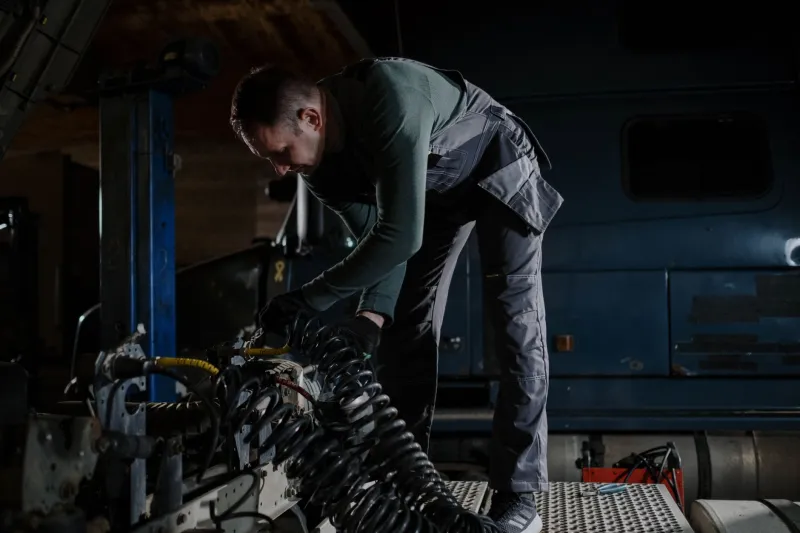
Wheel-end components—bearings, hubs, and seals—are another category where professional mechanics get visibly uncomfortable when customers go ultra-cheap. "I've seen budget wheel bearings fail in under 30,000 miles," says Randy Kowalski, a diesel tech with 22 years of experience at a commercial shop in Columbus, Ohio. "Quality bearings from a name-brand manufacturer should get you 150,000 miles minimum with proper maintenance. The math isn't even close."
Air system components on Class 8 trucks—including air dryers, valves, and fittings—are another area where false economy is genuinely dangerous. These systems are safety-critical, full stop.
The Parts That Are Actually Fine to Buy Budget
Here's where we keep it real: not every truck accessory needs to be top-shelf. There are plenty of categories where mid-range or even economy options perform well enough for most applications.
Bed liners and interior accessories like floor mats, seat covers, and cab organizers are low-stakes purchases. If a $35 rubber bed mat cracks after two years, you're out $35. No tow truck required.
Aesthetic exterior accessories—chrome trim, step bars on a personal-use pickup, decorative lighting accents—are similarly low-risk. These parts don't affect performance or safety, so personal preference and budget can reasonably drive the decision.
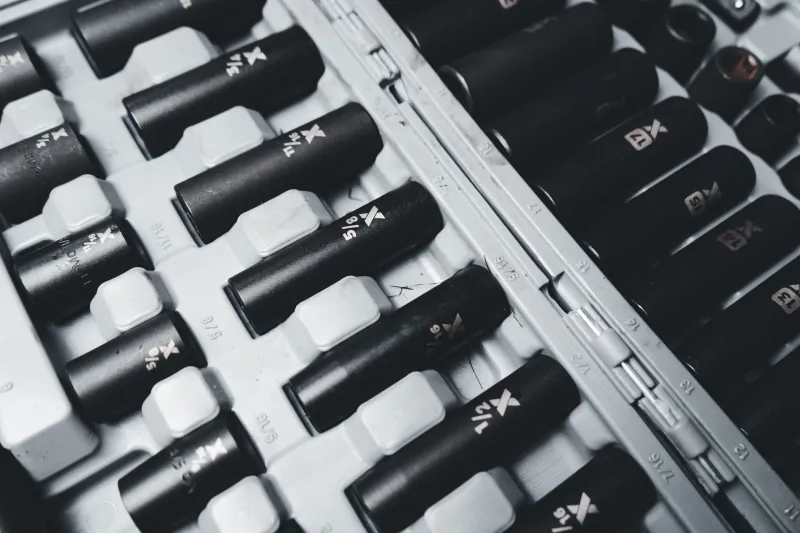
Basic hand tools and shop supplies are another area where budget options often hold up fine for light use. A weekend warrior who changes his own oil four times a year doesn't need the same wrench set as a full-time fleet mechanic.
Reading Between the Lines on Product Listings
So how do you tell the difference between a legitimately good deal and a disaster waiting to happen? A few practical tips from folks who've been around the block:
Check for certifications. Reputable brake components carry DOT or FMCSA compliance markings. Quality electrical parts often carry SAE certifications. If a listing can't point to any independent testing or certification, that's a yellow flag.
Research the manufacturer, not just the brand name. Many discount brands slap a professional-sounding name on parts manufactured by whoever bid lowest that quarter. A quick search for the actual manufacturer, combined with reviews from verified commercial users—not just weekend hobbyists—tells a much more honest story.
Look at warranty terms carefully. A 90-day warranty on a component that's supposed to last 100,000 miles should tell you something. Quality manufacturers stand behind their products with multi-year or mileage-based coverage because they're confident in what they're selling.
Ask your mechanic. Seriously. A trusted diesel tech has seen what comes back and what doesn't. That's free market research.
The Fleet Manager's Perspective
Darla Hutchins manages a 14-truck refrigerated fleet operating out of Memphis, Tennessee. A few years back, she ran an informal experiment—sourcing budget aftermarket parts for half her trucks and sticking with OEM-equivalent quality parts for the other half. The results were pretty definitive.
"The trucks running the cheaper parts had about 40% more unscheduled maintenance events over an 18-month period," she said. "When I factored in labor, downtime, and missed loads, the 'savings' from the budget parts actually cost me more than if I'd just bought quality from the start. We don't do that experiment anymore."
Her fleet now operates on what she calls a "tiered purchasing policy"—quality-first on anything safety-critical or high-wear, with more flexibility on accessories and cosmetic components.
Building a Smarter Parts Strategy
The takeaway here isn't that you need to spend top dollar on every single nut and bolt. It's that the decision deserves more thought than just sorting by lowest price. When you're evaluating a parts purchase, ask yourself:
- What's the safety impact if this fails?
- What's the downtime cost if this fails on the road?
- How difficult and expensive is it to replace if it fails prematurely?
- Does the manufacturer have a real track record with commercial operators?
Answer those honestly, and you'll make better calls. Your truck—and your wallet—will thank you for it.
At Acme Truck Shop, we stock parts and accessories across a range of price points, but everything we carry has been vetted for real-world performance. Built tough, equipped right—that's not just a tagline. It's the standard we hold every product to before it hits our shelves.