See and Be Seen: A Working Trucker's Guide to Picking the Right Work Lights
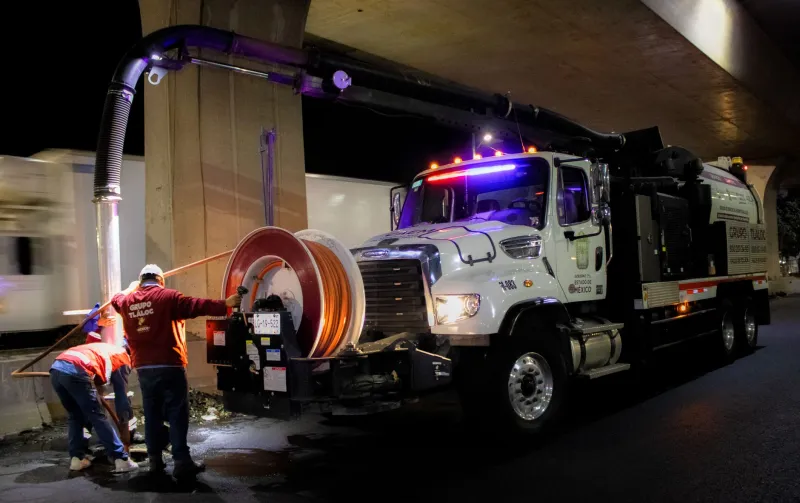
Night jobs don't care about your schedule. Whether you're running a construction site, managing a highway crew, or just need to hook up a trailer in a dark lot at 4 a.m., poor visibility is more than an inconvenience—it's a liability. The right work lighting setup transforms your truck from a vehicle into a proper workstation. The wrong setup? You're squinting into shadows and hoping for the best.
We've talked to guys running everything from flatbeds on highway construction sites to utility trucks deep in rural service territory, and the message is consistent: most factory lighting setups are an afterthought. Here's how to actually fix that.
Know Your Work Environment Before You Buy Anything
The single biggest mistake people make when shopping for work lights is treating it like a one-size-fits-all purchase. A spotlight that works great for a ranch hand checking fence lines at night is going to be nearly useless for a road crew that needs to illuminate a 50-foot work zone.
Start by asking yourself a few honest questions:
- How large an area do you need to light? Wide, open zones call for flood lights or light bars. Focused tasks—like backing a trailer into a tight dock or reading signage down the road—benefit more from spotlights.
- How often are you using these lights? Occasional use lets you get away with a more budget-conscious setup. Daily work in demanding conditions means you need to prioritize durability ratings.
- What's your mounting situation? Roof racks, bed rails, bumpers, and A-pillars all have different considerations for installation and wiring.
Get that clarity first, and you'll spend less time returning equipment.
Breaking Down the Main Work Light Types
LED Light Bars
If you want maximum coverage and you're willing to commit to a proper install, LED light bars are the gold standard for serious work. A quality 20- to 50-inch curved or straight bar mounted on your roof or front bumper throws out an enormous amount of usable light across a wide area.
Look for bars with an IP68 or IP69K waterproof rating if you're working in rain, mud, or dusty environments—which, let's be honest, is most job sites. Brands like Rigid Industries, Baja Designs, and KC HiLiTES are popular in the trucking community for good reason: they build for punishment, not showrooms.
Installation difficulty sits at a moderate level. You'll need to run wiring through the cab, connect to a relay and fuse, and mount the bar securely to avoid vibration damage over time. It's a Saturday morning project for someone handy, or a couple of hours at a shop if you'd rather not mess with it.
Flood Lights
Flood lights are your best friend when you need broad, even coverage over a work area rather than distance. Think of them as a portable work lamp scaled up for a truck—they spread light wide rather than far.
These are common on utility trucks, dump trucks, and service rigs where the crew works around the vehicle rather than in front of it. Rear-mounted floods are especially popular for backing up on job sites or illuminating the truck bed during loading.
Installation is generally simpler than light bars. Many flood lights are available with magnetic bases or quick-mount brackets, making them practical for guys who swap vehicles or need flexibility. That said, for permanent installs, hardwiring through a relay is still the cleaner, more reliable option.
Spotlights
Spotlights throw a focused, long-range beam—useful when you need to see something specific at a distance rather than light up your immediate surroundings. Ranchers, tow truck operators, and anyone working on rural roads at night tend to favor these.
Manually adjustable spotlights mounted to the A-pillar or cab are a classic setup in agriculture and towing. Remote-operated versions let you swing the beam without leaving the cab, which is a genuine quality-of-life upgrade when you're working alone.
Durability matters here too. Look for aluminum housings and sealed connectors—cheap spotlights fog up, corrode, and fail at the worst possible times.
Durability Ratings: What Actually Matters
You'll see a lot of numbers thrown around when shopping work lights. Here's what to focus on:
- IP Rating: IP67 means it can handle temporary submersion. IP68 and IP69K mean it can take high-pressure washdowns. For most truck work environments, don't go below IP67.
- Lumens vs. Lux: Lumens measure total light output. Lux measures how concentrated that light is at a given distance. For work lighting, both matter depending on your use case—more lumens for wide coverage, higher lux for focused distance work.
- Operating Temperature Range: If you're working in the upper Midwest in January or the Arizona desert in July, verify the light is rated for your actual conditions. Cheap units can fail at temperature extremes.
- Vibration Resistance: Trucks take a beating on job sites. Look for lights marketed specifically for off-road or commercial use—they're built to handle the constant movement.
Real Talk from Guys Who Run These Every Day
We asked around, and here's some of the practical wisdom that came back:
"I run a 40-inch light bar up front and two rear floods on my service truck. Night calls used to be miserable. Now I can see exactly what I'm working on no matter where I'm parked." — utility tech, rural Ohio
"Don't cheap out on the wiring harness. I bought a solid light and a garbage harness kit. Replaced it six months later after it started flickering. Buy quality end-to-end." — flatbed operator, Texas
"I added a remote spotlight on the driver's side for my tow rig. Game changer when you're trying to find a vehicle in a ditch in the dark." — tow truck operator, Colorado
The common thread? These guys aren't buying lights for looks—they're buying them for function, and they've learned that cutting corners on installation or components costs more in the long run.
A Quick Word on Wiring It Right
However you go about mounting your lights, resist the temptation to tap directly into your truck's existing wiring. Work lights draw serious amperage, and running them through stock circuits can cause all kinds of headaches—blown fuses, flickering, and in worst cases, electrical damage.
Use a relay and an inline fuse matched to your light's draw. Run a dedicated wire from the battery when possible. If you're not confident in your wiring skills, a local truck shop or auto electrician can button it up quickly and correctly. It's worth the cost.
Bottom Line
Work lights aren't glamorous, but they're one of the highest-value upgrades you can put on a working truck. The right setup keeps your crew safe, makes your job more efficient, and signals to everyone on the site that you're equipped to handle the work seriously.
Figure out your environment, match your light type to your actual needs, don't compromise on durability ratings, and wire everything properly. Do that, and you'll wonder how you ever managed without them.