Fight the Creep: Your Year-Round Battle Plan Against Truck Rust
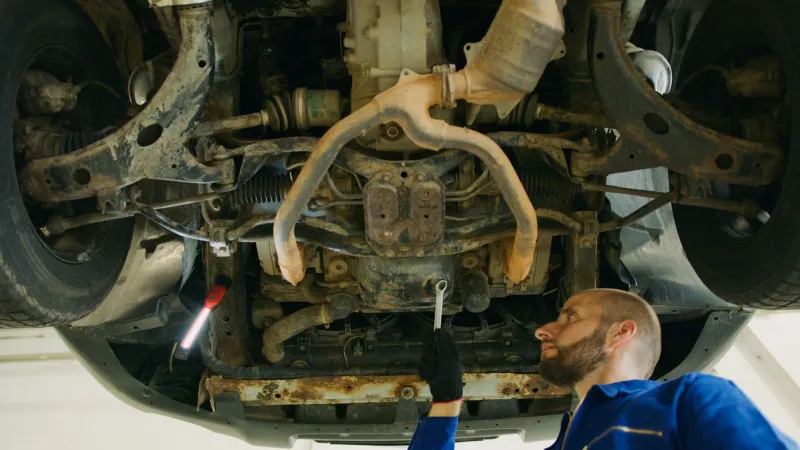
If you've ever pressure-washed your undercarriage and watched orange-brown water run off like something out of a horror movie, you already know the feeling. Rust is one of those problems that starts small, hides well, and then hits you with a repair estimate that makes your stomach drop. For working truckers and serious enthusiasts alike, corrosion isn't just a cosmetic annoyance — it's a genuine threat to your rig's structural integrity, resale value, and long-term reliability.
The good news? You don't have to live in a rust belt to deal with it, but you do have to be proactive. Here's how to fight back — before the damage gets out of hand.
Know Your Enemy: What's Actually Causing the Rust
Corrosion on a truck happens when metal, moisture, and oxygen get together for too long. Road salt is the biggest accelerant in northern states — it lowers the freezing point of water, which means brine stays liquid and keeps attacking bare metal long after a storm passes. But even if you're running routes in Texas or Arizona, you're not immune. Humidity, river crossings, off-road mud, and even certain fertilizers can speed up oxidation in ways most people don't expect.
The undercarriage takes the worst of it. Frame rails, control arms, brake lines, and fuel lines are all sitting right in the splash zone. But don't ignore the body either — door bottoms, bed corners, cab mounts, and the areas around wheel wells are notorious rust traps because they collect debris and hold moisture.
Spotting Trouble Before It Becomes a $5,000 Problem
Early-stage rust looks like surface discoloration — a brownish bloom under paint, small bubbles forming along seams, or a slightly rough texture where metal used to be smooth. That's the window you want to catch it in. Surface rust is annoying, but it's manageable. Scale rust (where the metal starts to flake and pit) is more serious. Penetrating rust — the kind that goes all the way through — is where you're talking major repair bills or even safety concerns.
Make it a habit to do a proper inspection twice a year: once in the spring after winter road salt season, and again in the fall before the next one hits. Get under the truck with a flashlight and a rubber mallet. Tap along the frame rails and listen for hollow sounds that suggest metal has been eaten through. Look at the brake lines for white or orange residue. Check the floor of the cab from underneath if you can — rust-through on cab floors is more common than people think, especially on trucks with over 150,000 miles.
Undercarriage Treatments That Actually Hold Up
Not all rust-proofing products are created equal, and the marketing on some of them is genuinely misleading. Here's a breakdown of what's worth your money:
Rubberized undercoating is the classic approach — spray it on, let it dry, and it creates a thick physical barrier. It works reasonably well when applied to clean metal, but if moisture gets trapped underneath (which happens when applied to already-dirty surfaces), it can actually accelerate corrosion. Application prep is everything here.
Oil-based undercoating (think products like Fluid Film or Woolwax) takes a different approach. Instead of hardening, it stays slightly fluid, which lets it creep into seams, bolt holes, and tight spots where rigid coatings can't reach. It needs to be reapplied annually, but a lot of working truckers in northern states swear by it because it self-heals minor abrasions. If you're running gravel roads or logging routes, this stuff earns its keep.
Electronic rust inhibitors are a category worth mentioning, though the science is mixed. These devices emit a low-level electrical current meant to interrupt the oxidation process. Some fleet managers use them, but independent testing results are inconsistent. They're not a replacement for physical coatings — think of them as a possible supplement at best.
Epoxy-based coatings are on the more permanent end of the spectrum. Products like POR-15 or similar encapsulants chemically bond to existing rust and stop it from progressing. They're ideal for treating spots you've already found rather than as a preventative first coat on clean metal.
Seasonal Strategy: What to Do and When
Fall prep is your most important window. Before the first freeze, get a full undercarriage wash to clear out any summer mud and debris, then apply your oil-based or rubberized treatment while temperatures are still workable. Check all paint edges and touch up any chips with rust-inhibiting primer. Pay special attention to the bed — if you're hauling gravel, mulch, or anything abrasive, the factory coating in most truck beds is probably already compromised.
Winter driving means staying on top of washes. After heavy salt exposure, try to rinse the undercarriage within 24-48 hours. Many truck stops and commercial car washes have undercarriage spray options — use them. It feels like overkill until you see what salt does to brake lines over a few winters.
Spring inspection is your damage assessment phase. This is when you find out how well your prep held up. Look for new rust spots, re-treat anything that needs it, and address any chips or scratches in the body paint before they have a whole summer of humidity to work with.
Summer is actually a great time to do more thorough treatments since warm, dry weather helps coatings cure properly. If you're planning a full undercarriage treatment, schedule it for a dry stretch in late spring or early summer.
Material Choices When You're Buying New Parts
When you're replacing suspension components, exhaust hardware, or body panels, material selection matters more than most people realize. Stainless steel fasteners cost a bit more upfront but make future maintenance dramatically easier — corroded bolts are the hidden tax on deferred rust prevention. Aluminum components are obviously more corrosion-resistant than steel, though they come with their own galvanic corrosion issues when paired with dissimilar metals without proper isolation.
For bed liners, spray-in options from quality installers generally outlast drop-in plastic liners for rust prevention because there's no gap for moisture to pool underneath. If you've got a drop-in liner that's been sitting for years, pull it out and check what's underneath — you might be surprised.
The Bottom Line
Rust prevention isn't glamorous maintenance. It doesn't make your truck faster or more capable on paper. But it's one of the highest-return investments you can make in a working truck, because the cost of staying ahead of corrosion is a fraction of what it costs to fix it after the fact. A can of Fluid Film and an afternoon under the truck twice a year can genuinely add years to your rig's life — and that's money staying in your pocket instead of going to a body shop.
Treat your truck like the asset it is, and it'll keep earning its keep a whole lot longer.